Delhi Diocese
Godly strands
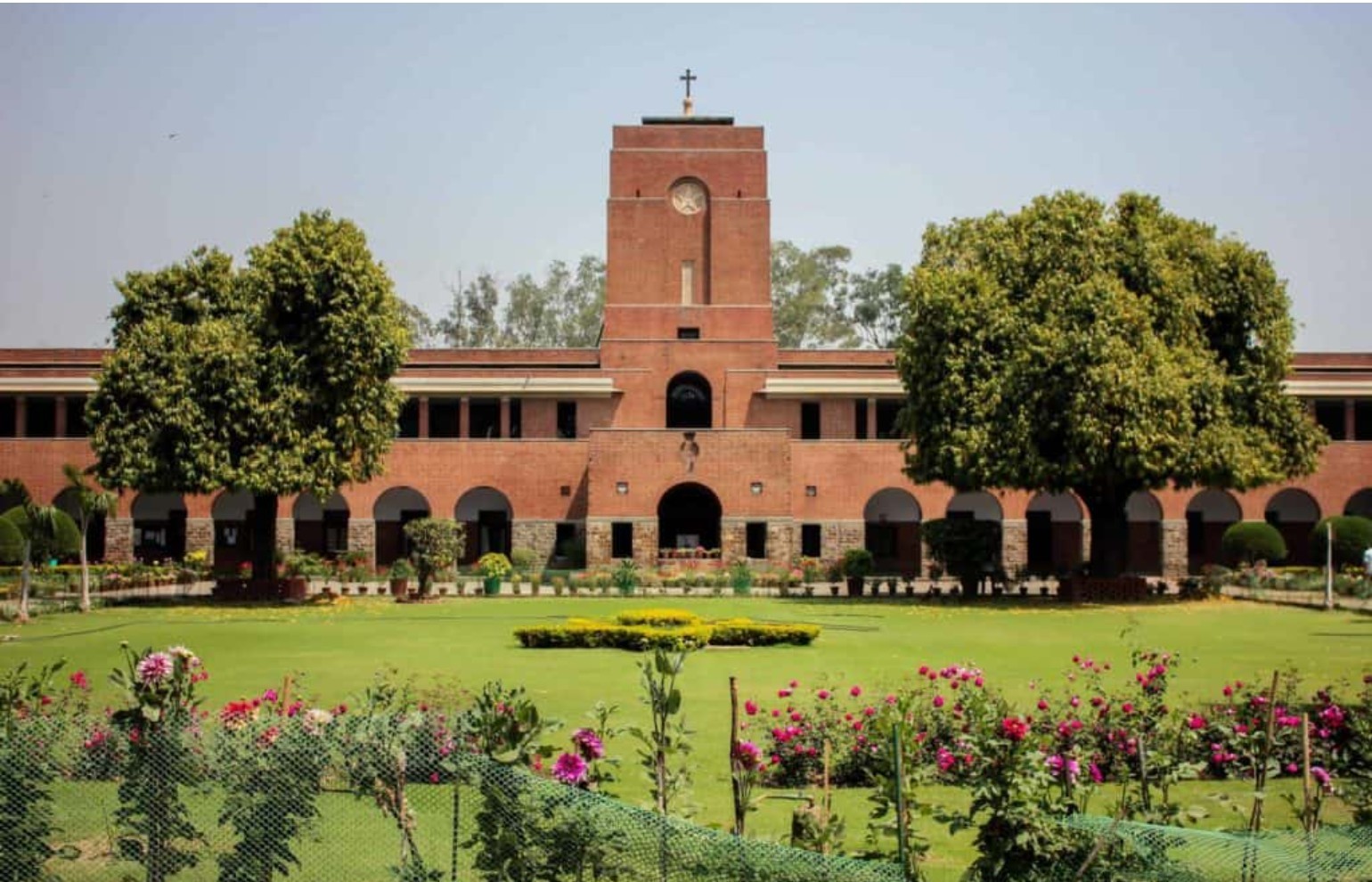
The Church in Delhi traces its origins to diverse missionary traditions—including Baptist, Methodist, Presbyterian, Congregationalist, and the Church of England (Anglican). Missionaries from these varied backgrounds labored extensively to build the church during its foundational years. Within the Baptist tradition, John Chamberlain and John Thompson were key ministers who served in Delhi during the first half of the 19th century. From the Church of England (Anglican) tradition, the names of Henry Martin and Robert Winter remain deeply etched in the church’s founding history. This era of growth saw the establishment of many impactful medical, educational, and religious institutions, such as the Cathedral Church of the Redemption, St. Stephen’s Hospital, and St. Stephen’s College (pictured here) amongst many others
Diocese of Delhi (Anglican)
The Anglican Diocese of Delhi was established on 21st April, 1947, and Bishop Aurobindo Nath Mukherjee, was appointed the 1st Bishop of the Diocese of Delhi.
Movement towards church unity
The movement towards Church Union in North India began in 1929. A negotiating committee was formed in 1951 by the uniting bodies. The final plan for union was completed in 1965, The unity movement was driven by the conviction that a divided Church cannot bear effective witness to the one Gospel and one Lord. Guided by the Holy Spirit, unity was achieved in the understanding and practice of the sacraments of Baptism and the Lord’s Supper, the threefold ministry of Bishops, Presbyters, and Deacons, and in the organizational structures of Pastorates, Dioceses, and the Synod. Episcopacy was accepted both constitutionally and historically. Provision was made to accommodate diverse liturgical practices and theological understandings of divine revelation, provided they do not violate the basic Faith and Order of the Church or disrupt its unity and fellowship.
Forging of Godly Strands
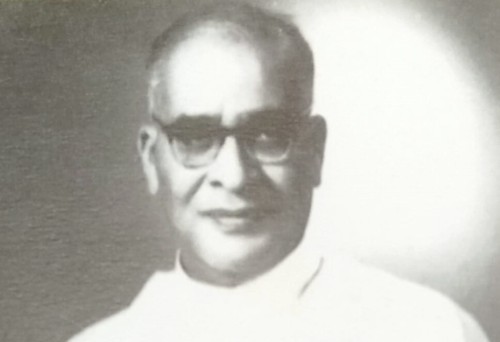
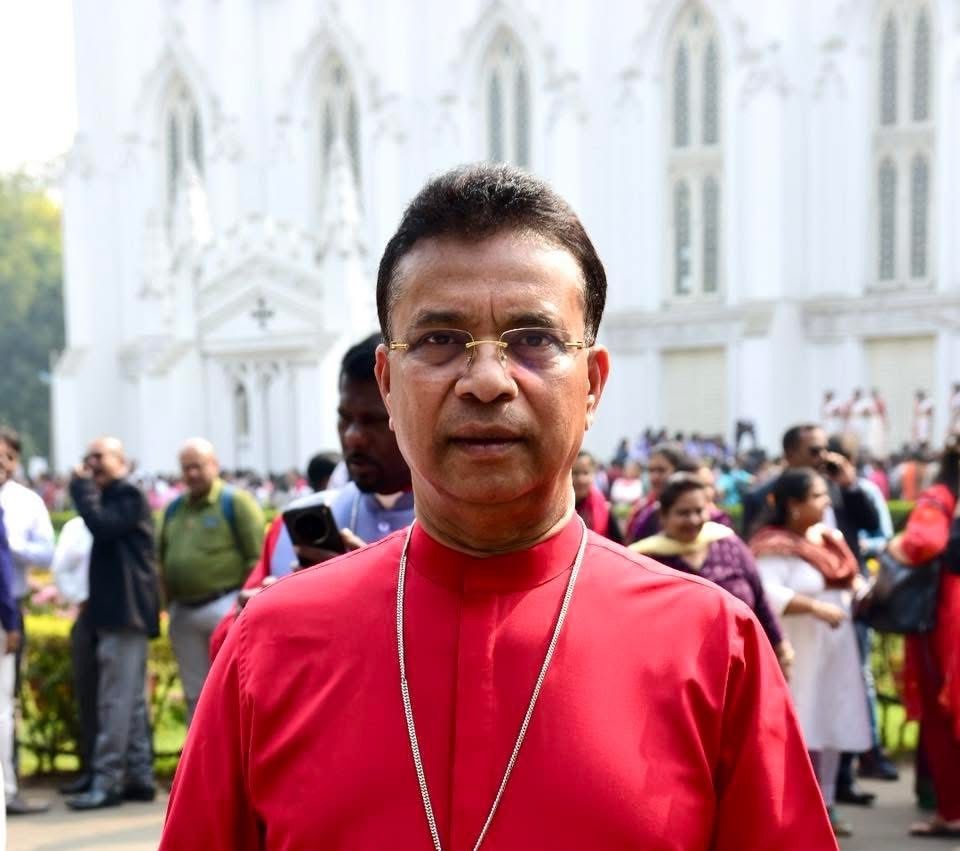
All the diverse Godly strands which had been developing were forged together officially as the Church of North India on 29th November 1970 in Nagpur, as a united and uniting church, with Bishop Eric Nasir as the 1st Moderator of the Church of North India. The CNI has 28 Dioceses spread across 22 States of India and the Andaman-Nicobar Islands. Most Revd Dr Paritosh Canning (pictured) is the present Moderator of the Church of North India
Diocese of Delhi (CNI)
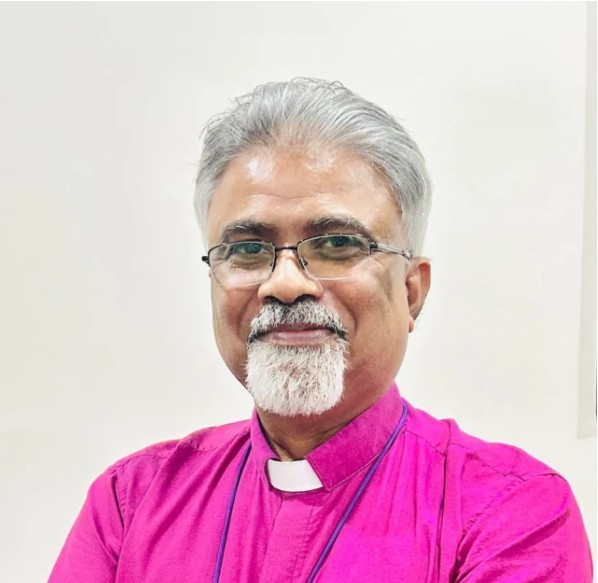
The Diocese of Delhi was inaugurated on 13th December 1970 within the CNI, with the Reverend Eric Nasir serving as the first Bishop of CNI Delhi. The Diocese is composed of 42 pastorates and 54 congregations. It also includes 3 hospitals, 3 colleges, 10 schools, 2 hostels, and 2 religious communities. The Diocese encompasses the states of Delhi, Haryana and parts of Uttar Pradesh. Covering a geographical area of 350–400 km from end to end, the parishes are located in both cities and villages, serving communities from diverse backgrounds, reaching out through its churches, educational institutions, and hospitals. The pastorate of Green Park Free Church is part of the Delhi Diocese of the Church of North India. The Right Reverend Dr. Paul Swarup is the current Bishop of the Diocese of Delhi.